Football: The Magic and Grandeur of the Champions League Final
In the world of professional sports, few events can match the sheer scale, emotional intensity. And global reach of the UEFA Champions League Final. It is the ultimate destination for every European club, a stage where legends are born. And where the history of football is written in ninety minutes of high-stakes drama. Known as the most prestigious club competition in the world. The final represents the culmination of a grueling ten-month journey involving the elite of the elite.
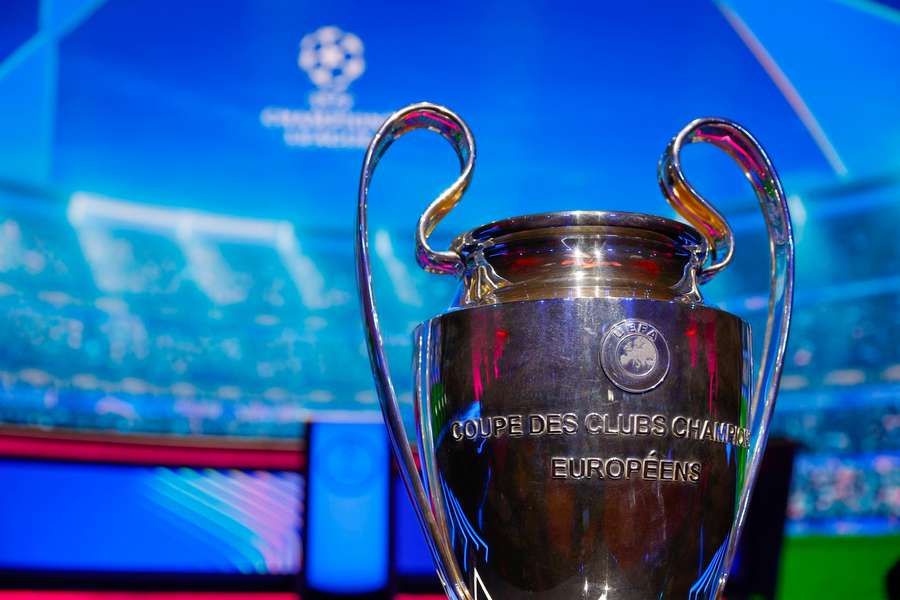
For players, winning the Champions League is often cited as the pinnacle of their careers, sometimes even surpassing the glory of domestic league titles. For fans, it is a day of pilgrimage, nerves, and hope. As the world tunes in to watch two giants of the game collide. The Champions League Final proves every year that it is much more than just a football match; it is a global cultural … Read more
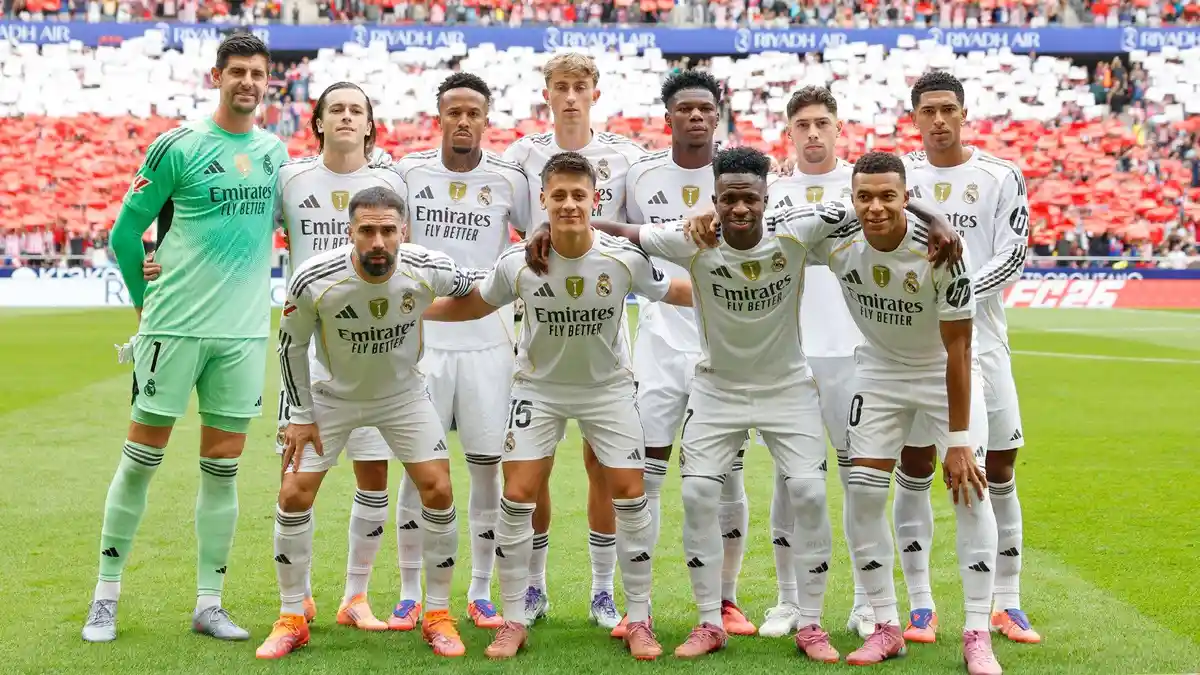

 There are a number of soccer stadiums on this planet which are historic and majestic; others are known primarily for their measurement. While Europe is the bastion of world soccer, no European football stadium is within the high five. Barcelona’s Camp Nou (capacity 98,772) is the biggest European soccer stadium, but is available in at quantity 7 on the earth listing. Surprisingly, the largest soccer stadiums in the world exist in Asia.
 The English Premier League is the greatest soccer league on the planet. Half a billion individuals from all over the world follow the video games on a weekly basis in more than 200 nations worldwide. Despite its worldwide enchantment and media dominance among the many national soccer leagues, watching the game on TV is nothing compared to the atmosphere and electrical energy you may experience by visiting a ground and watching the spectacle from up close.