Gridiron Chess: Understanding the Strategy, Culture, and Evolution of Professional American Football
To the casual observer tuning in on a Sunday afternoon, professional American football can look like a chaotic collision of helmets, shoulder pads, and flying leather. Yet beneath the explosive physicality lies one of the most intricate, cerebral, and meticulously choreographed strategic games in global sports. Often described as high-speed human chess played on a hundred-yard field, professional American football demands split-second decision-making, specialized athleticism, and seamless synchronization among twenty-two players on every single snap.
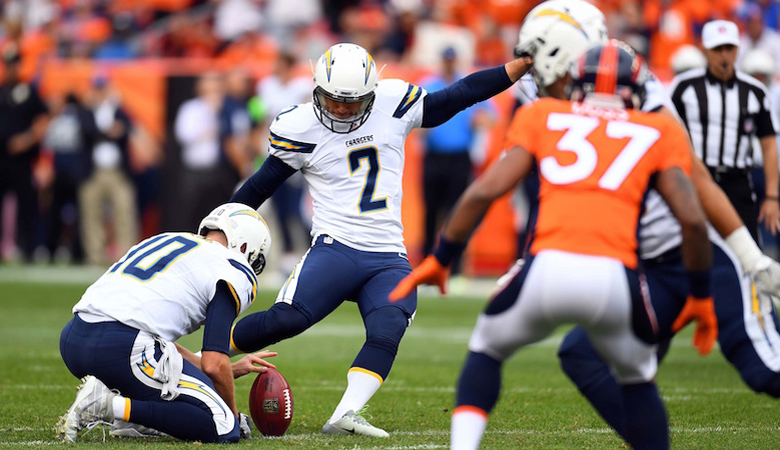
Over the past century, the sport has evolved from a rugged, ground-heavy collegiate pastime into a multi-billion-dollar cultural phenomenon that commands massive television audiences, shapes weekend routines across North America, and continues to expand its footprint into international stadiums across Europe and South America. Understanding what makes professional American football so compelling requires looking past the scoreboard and exploring the tactical battles, specialized roles, and modern innovations that define the game today.
 The effectively-known and renowned NFL shield has certainly made a name for itself within the sports activities world. The crest is not just a representation of the team but additionally a symbol for victory, glory, aggression, loyalty and celebration.