To the casual observer tuning in on a Sunday afternoon, professional American football can look like a chaotic collision of helmets, shoulder pads, and flying leather. Yet beneath the explosive physicality lies one of the most intricate, cerebral, and meticulously choreographed strategic games in global sports. Often described as high-speed human chess played on a hundred-yard field, professional American football demands split-second decision-making, specialized athleticism, and seamless synchronization among twenty-two players on every single snap.
Over the past century, the sport has evolved from a rugged, ground-heavy collegiate pastime into a multi-billion-dollar cultural phenomenon that commands massive television audiences, shapes weekend routines across North America, and continues to expand its footprint into international stadiums across Europe and South America. Understanding what makes professional American football so compelling requires looking past the scoreboard and exploring the tactical battles, specialized roles, and modern innovations that define the game today.
The Architecture of a Single Play: Strategy in Forty Seconds
Unlike continuous-flow sports such as soccer or basketball, professional American football operates in discrete bursts of action separated by brief strategic resets. Between the whistle ending one play and the snap starting the next, coaches and players have roughly forty seconds to process spatial data, evaluate personnel matchups, and execute a coordinated plan.
On the offensive side, the quarterback acts as an on-field general. Approaching the line of scrimmage, the quarterback scans the defensive alignment to identify whether cornerbacks are playing tight man-to-man coverage or dropping back into deep zone shells, where the linebackers are positioned, and whether a safety is creeping forward to blitz. With a few coded verbal signals or hand gestures—known as an audible—the quarterback can scrap the original play call entirely and shift into a counter-strategy seconds before the ball is snapped.
Defensively, coordination is equally complex. Defensive coordinators disguise their intentions until the exact moment the ball moves, rotating safeties late, shifting defensive linemen across gaps, and mixing pass-rush blitzes with simulated pressures to confuse offensive blocking schemes. Every play is a miniature war of deception and leverage.
Extreme Specialization Across the Roster
One of the defining characteristics of professional American football is its unparalleled roster specialization. A standard fifty-three-man active roster is divided into three distinct units—offense, defense, and special teams—and within each unit, athletes train for hyper-specific physical demands that rarely overlap.
- The Trenches (Offensive and Defensive Linemen): Weighing upwards of three hundred pounds, interior linemen combine explosive short-area burst with immense core strength and technical hand placement. Offensive tackles must mirror the footwork of nimble edge rushers while moving backward, whereas defensive tackles fight to collapse the pocket and plug interior running lanes.
- The Skill Positions (Quarterbacks, Running Backs, Wide Receivers, and Tight Ends): These players generate the explosive yardage that fills highlight reels. Modern wide receivers run routes measured down to the exact step and hip angle, while versatile tight ends must block like offensive linemen on one play and stretch the middle of the field like receivers on the next.
- The Second and Third Levels (Linebackers and Defensive Backs): Linebackers serve as the defensive traffic controllers, diagnosing run-versus-pass keys in milliseconds. Behind them, cornerbacks and safeties operate in open space against the fastest athletes on the field, relying on hip fluidity, spatial awareness, and ball-tracking instincts.
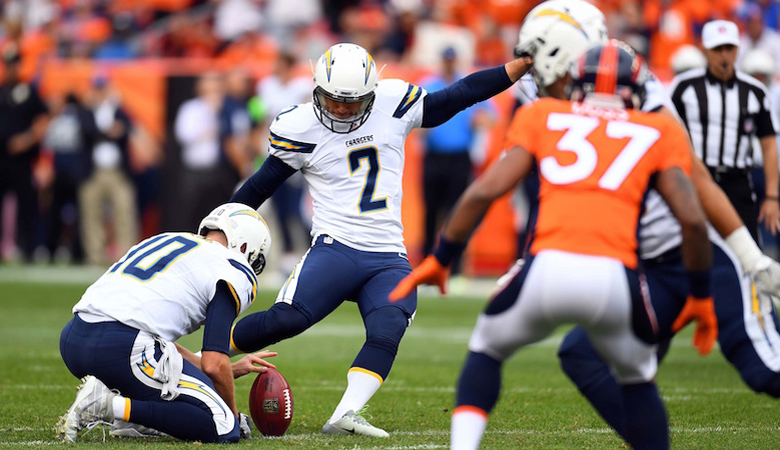
- Special Teams: Often overlooked until a game hangs in the balance, kickers, punters, long snappers, and coverage specialists routinely swing field position and decide tight fourth-quarter contests with a single swing of a leg.
How Rule Changes and Analytics Transformed the Modern Game
The tactical identity of professional American football has shifted dramatically over the last two decades. Historically, championship teams built their identities around punishing rushing attacks, clock control, and bruising defensive intimidation. Today, league rule adjustments designed to protect offensive skill players and encourage open-field scoring have ushered in a golden era of vertical passing and spatial spread offenses.
At the same time, advanced data analytics have reshaped traditional coaching dogma. Teams now employ full-time analytics departments that evaluate every fourth-down decision, two-point conversion attempt, and pass-versus-run ratio through win-probability models. Coaches who once punted conservatively near midfield now routinely keep their offenses on the field on fourth-and-short, recognizing that maintaining possession against elite quarterbacks yields far higher long-term win probabilities than surrendering the ball.
The Cultural Ritual and Global Expansion of the Sport
Beyond Xs and Os, professional American football thrives because of its unmatched weekly cadence. With a compact regular season where every single game carries immense playoff weight, Sunday afternoons, Monday nights, and Thursday evenings have become deeply ingrained social rituals. Tailgating traditions in stadium parking lots, fantasy football leagues connecting friends across time zones, and the spectacle of the annual championship game turn the sport into shared cultural theater.
Recognizing this universal appeal, the league has invested heavily in international regular-season games in cities like London, Munich, Frankfurt, Madrid, Sao Paulo, and Mexico City. By bringing live, high-stakes matchups to international fans and developing global athlete pathways, professional American football continues to build a passionate worldwide following while preserving the strategic depth that makes the sport unique.
Conclusion
Professional American football endures because it balances raw athletic intensity with extraordinary intellectual complexity. Every snap unites meticulous coaching preparation, specialized physical talent, and split-second improvisation under immense pressure. Whether you are analyzing pre-snap defensive disguises, tracking fourth-down analytics, or simply enjoying the camaraderie of a weekend broadcast, the sport offers endless layers of strategy and drama that reward closer inspection every single season.