In the world of professional sports, few events can match the sheer scale, emotional intensity. And global reach of the UEFA Champions League Final. It is the ultimate destination for every European club, a stage where legends are born. And where the history of football is written in ninety minutes of high-stakes drama. Known as the most prestigious club competition in the world. The final represents the culmination of a grueling ten-month journey involving the elite of the elite.
For players, winning the Champions League is often cited as the pinnacle of their careers, sometimes even surpassing the glory of domestic league titles. For fans, it is a day of pilgrimage, nerves, and hope. As the world tunes in to watch two giants of the game collide. The Champions League Final proves every year that it is much more than just a football match; it is a global cultural phenomenon.
The Evolution of a Legend
The competition began in 1955 as the European Champion Clubs’ Cup. Originally designed as a knockout tournament for the champions of Europe’s domestic leagues. Over the decades, it evolved into the modern Champions League we see today. A sophisticated multi-stage tournament that generates billions in revenue and attracts a television audience in the hundreds of millions.
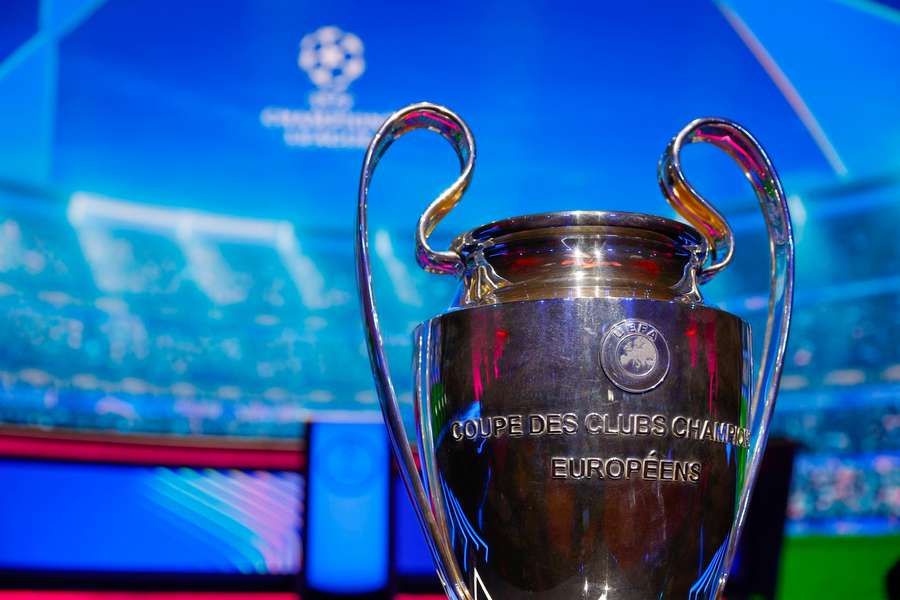
The final has moved from relatively modest beginnings to become a spectacle that rivals the Super Bowl in terms of production value. The opening ceremony, featuring world-class musical acts. And the meticulous branding of the host city transform the event into a festival of sport. Despite the modernization, the core prize remains the same. The “Coupe des Clubs Champions Européens,” affectionately known as “Old Big Ears” due to its distinctive large handles.
The Weight of the “Big Ears” Trophy
Lifting the trophy is a moment of pure catharsis. For the winning team, it represents the validation of their tactical philosophy, their recruitment strategy, and their mental fortitude. The Champions League Final is notorious for its pressure; even the most seasoned world-class players have been known to falter under the bright lights of the final stage.
The history of the final is littered with iconic moments that have defined generations. From Real Madrid’s dominance in the 1950s to Liverpool’s “Miracle of Istanbul” in 2005. Where they overturned a three-goal deficit against AC Milan. The final has a unique habit of producing scripts that even the best Hollywood writers could not conceive. These moments of individual brilliance and collective resilience are what make the final a mandatory viewing event for anyone who appreciates the drama of human competition.
The Tactical Chess Match
On the pitch, the Champions League Final is the ultimate test of coaching. Because the stakes are so high, the tactical battle between the two managers is often a fascinating chess match. Unlike the earlier rounds of the tournament, where teams might have a second leg to rectify mistakes, the final is a “winner-takes-all” scenario.
In recent years, we have seen a shift in how finals are played. The rise of high-pressing systems and data-driven analysis has made the games faster and more intense. However, the final often brings out a level of pragmatism. One tactical error, one misplaced pass in the midfield, or one momentary lapse in concentration from a defender can result in a goal that decides the fate of a multi-million dollar institution. The tension is palpable, as every player on the field understands that they are one mistake away from infamy or one goal away from immortality.
The Economic and Cultural Impact
Beyond the grass and the goals, the Champions League Final is a massive economic engine. The host city, selected years in advance by UEFA, benefits from a surge in tourism, hospitality, and global visibility. Hotels are booked out months in advance, and local businesses thrive as fans from across the globe descend upon the city.
Culturally, the final acts as a unifying force. In an era where football fans are increasingly divided by domestic rivalries, the Champions League Final often brings people together to witness the highest level of the craft. It is a moment where the “Global Village” becomes a reality, as viewers from Jakarta to Johannesburg and London to Los Angeles share the same collective intake of breath when a striker goes through on goal in the final minutes.
The Final as a Dream and a Nightmare
While we celebrate the winners, the final is also a place of profound heartbreak. The images of players slumped on the turf in tears, having come so close to the ultimate prize, are just as much a part of the final’s heritage as the celebrations of the victors. This duality—the extreme joy of the winner and the devastating sorrow of the loser—is what gives the match its emotional weight. It reminds us that in sport, as in life, the greatest rewards come with the greatest risks.
Conclusion
The Champions League Final remains the gold standard of sporting excellence. It is the one night of the year when the stars truly align, and the eyes of the world are focused on a single blade of grass. It represents the perfect marriage of history, money, talent, and passion.
As the anthem plays and the teams line up, there is a sense of destiny in the air. Whether it is a dominant victory for a favorite or an underdog story that shocks the world, the final never fails to deliver. It is the beautiful game at its most beautiful, a ninety-minute odyssey that continues to capture the imagination of billions. As long as there is a ball and a dream, the Champions League Final will remain the ultimate destination for every footballer and the ultimate spectacle for every fan.