In the high-octane world of Formula 1, few races offer the strategic complexity and historical weight of the Spanish Grand Prix. Located at the Circuit de Barcelona-Catalunya, this race has traditionally served as the true barometer for the rest of the season. For the British fans, drivers, and engineers, the pilgrimage from the rainy factories of the United Kingdom to the sun-drenched tarmac of Montmeló is more than just a logistical trek; it is a critical mission to assert dominance on European soil.
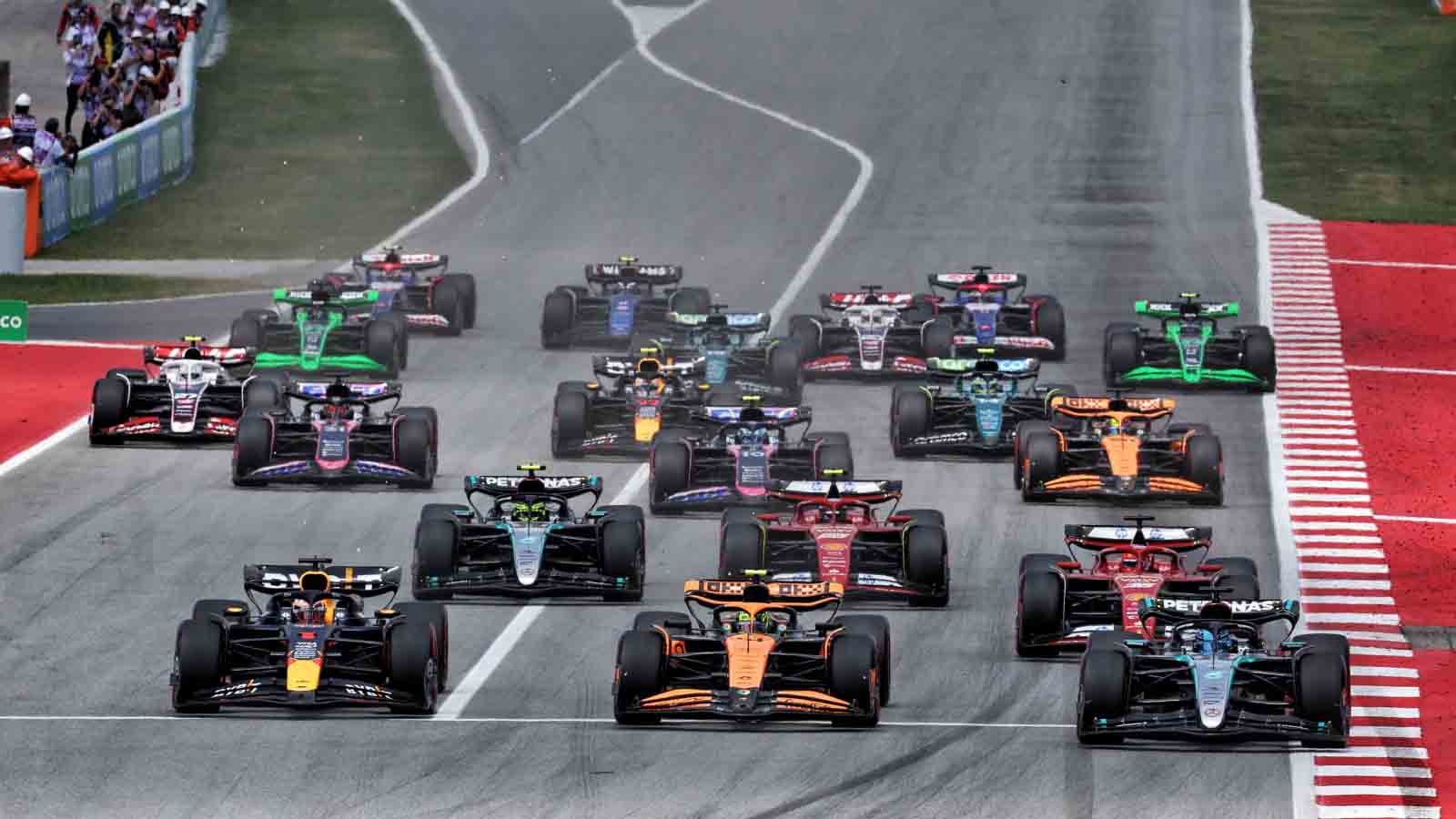
As the 2026 season reaches its European heart, the narrative surrounding the British involvement in Spain has reached a fever pitch. With a grid featuring some of the most talented British drivers in history and a technical landscape dominated by UK-based teams, the Spanish GP is essentially a “home away from home” for the British racing community.
The Technical Exodus from the UK to Catalonia
While the race happens in Spain, the DNA of the event is undeniably British. Seven of the ten Formula 1 teams are headquartered in the United Kingdom’s “Motorsport Valley,” a cluster of high-tech engineering firms in the English Midlands. For these teams—including heavyweights like McLaren, Williams, and the Brackley-based Mercedes squad—the Spanish Grand Prix represents the first major upgrade cycle of the year.
The journey begins weeks before the race, with transport trucks departing from Oxfordshire and Northamptonshire to cross the English Channel. The Circuit de Barcelona-Catalunya is the gold standard for testing due to its mix of high-speed corners, technical sectors, and long straights. For British engineers, a strong performance in Spain validates months of wind tunnel data and CFD simulations conducted back in the UK. If a car is fast in Barcelona, it is generally fast everywhere.
The British Titans on the Grid
The 2026 Spanish Grand Prix serves as a pivotal stage for the British “Three Musketeers” of the grid: Lewis Hamilton, George Russell, and Lando Norris. Each of these drivers carries the hopes of a nation, yet each enters the Spanish weekend with a vastly different agenda.
Lewis Hamilton, now in the twilight of his legendary career but still possessing the razor-sharp instincts that earned him seven world titles, views Barcelona as a place of redemption. Having won here multiple times, his experience in managing tyre degradation in the scorching Spanish heat is unparalleled.
Meanwhile, Lando Norris has evolved into a formidable title contender. Driving for a McLaren team that has seen a resurgence in recent years, Norris represents the vanguard of British racing. For Norris, the Spanish GP is about clinical execution. The high-speed corners of the circuit play perfectly into his aggressive yet smooth driving style, making him a perennial favorite for the podium.
George Russell, the analytical powerhouse at Mercedes, treats the Spanish GP as a technical puzzle. Known for his incredible qualifying pace, Russell’s ability to extract a “perfect lap” around the 4.6-kilometer circuit is vital, as overtaking in Barcelona has historically been difficult, placing a premium on grid position.
The Fan Pilgrimage: From Silverstone to Sitges
It isn’t just the teams and drivers making the journey. Every year, thousands of British fans trade the unpredictable weather of the UK for the Mediterranean climate. The influx of British supporters is visible throughout Barcelona and the coastal town of Sitges, recognizable by their Union Jack flags and team merchandise.
This “British Invasion” provides a unique atmosphere at the track. The roar from the grandstands when a British driver takes pole position is often loud enough to rival the sound of the power units. For many UK fans, the Spanish GP offers the perfect blend of high-level sport and a holiday atmosphere, combining the thrill of the race with the culinary and cultural delights of the Catalonia region.
Strategic Challenges: The Spanish Heat and Tyre Torture
The primary concern for the British teams during this race is the heat. The UK-based engineers are masters of aerodynamics, but the Spanish sun presents a thermal management nightmare. The Circuit de Barcelona-Catalunya is notoriously “hard” on tyres, particularly the front-left, which bears the brunt of the long, sweeping Turn 3.
Strategy calls made on the pit wall are often dictated by the track temperature, which can soar above 40 degrees Celsius. For teams like Williams, who have been fighting to climb back into the points-paying positions, the Spanish GP is a test of their cooling systems and their ability to keep the rubber alive over a long race distance. The British “calm under pressure” philosophy is tested to its limit when the race transitions into a game of chess between two-stop and three-stop strategies.
The Significance of the 2026 Regulation Era
As we navigate the 2026 season, the Spanish GP holds even more weight due to the significant changes in engine and aerodynamic regulations. This race provides the first clear data on how the new power units—incorporating a higher ratio of electrical power—handle the sustained high-load demands of a traditional circuit.
The British-based engine manufacturers have been working tirelessly to optimize energy recovery systems for the long back straight of the Barcelona track. Success here is a signal to the rest of the world that British engineering remains at the forefront of the green revolution in motorsport, balancing sustainability with raw, unadulterated speed.
Conclusion
Britain’s contribution to the Spanish Grand Prix is a testament to the enduring power of the UK’s motorsport industry and the talent of its athletes. It is a race where the technical brilliance of the English Midlands meets the passion of the Spanish fans, creating a spectacle that is essential to the identity of Formula 1.
As the chequered flag falls over the Circuit de Barcelona-Catalunya, the results will echo back to the factories in Britain, sparking either a celebration or a frantic search for more performance. Regardless of the outcome, the link between the United Kingdom and this iconic Spanish race remains one of the strongest and most vital threads in the tapestry of international racing. For the British contingent, Spain isn’t just another stop on the calendar; it is the ultimate proving ground.